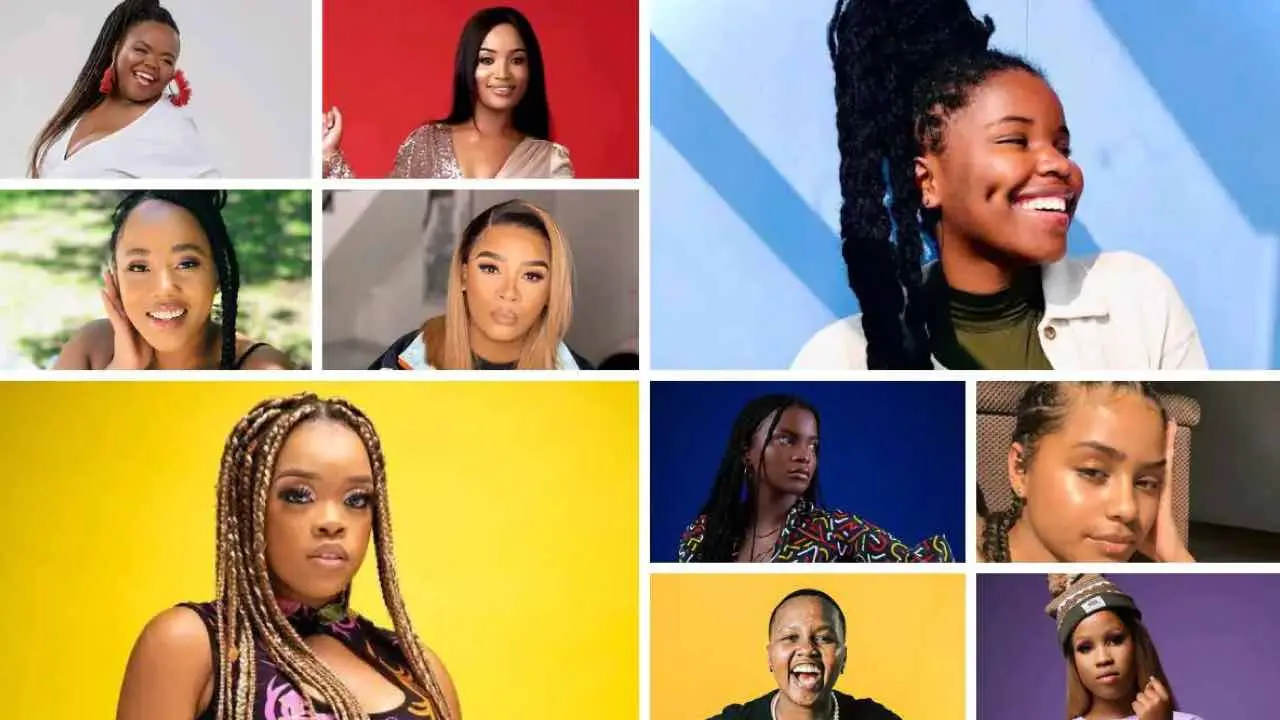
Kamo Mphela, DBN Gogo, Lady Du, Sha Sha, Boohle, Nkosazana Daughter, Uncle Waffles, Zee Nxumalo, Babalwa M, and Bassie are the 10 South African female amapiano artists driving the genre’s biggest songs right now. Between them they cover every side of the sound, from log drum club anthems to soulful, gospel leaning vocal cuts. Here is what each South African female amapiano artist sounds like, and the exact tracks that prove it.
1. Kamo Mphela: Amapiano’s Dance Floor Commander
Kamo Mphela built her name on performance energy first and turned that into chart hits like “Nkulunkulu” and “Sbuda Sbuda.” Her tracks favour fast, percussive log drum patterns designed for live sets rather than slow radio play, which is why her biggest songs work best watched as performance clips before they work as streams. She has performed at Global Citizen and continues to headline festival stages across South Africa.
2. DBN Gogo: The Producer Behind the Genre’s Jazziest Grooves
DBN Gogo produces amapiano that leans on jazz chord voicings and deep house structure, heard clearly on “French Kiss” and the GRAMMY nominated “Funk 55.” Her residency on YFM, South Africa’s largest urban radio station, put her production style in front of a national audience early. She has since carried that sound onto international club stages, becoming one of amapiano’s most recognised touring DJs.
3. Lady Du: From Vocalist to Producer DJ
Lady Du moved from singing to full production, and tracks like “Sunday Chill” show the mellow, groove first style that shift produced. She hosts the YouTube series “Amapiano Sessions,” which spotlights new talent inside the genre, and she remains one of the few artists in the scene who writes, sings, and mixes her own records.
4. Sha Sha: The Voice That Merged Amapiano with R&B
Sha Sha broke through with “Tender Love,” a single that folded R&B songwriting into amapiano’s log drum foundation and earned her the “Amapiano Queen” title among South African fans. Born in Zimbabwe and raised in South Africa, she writes lyrics built around relatable relationship stories, which separates her catalogue from the more instrumental, club focused side of the genre. Songs like “Woza” and “Themba Lami” carry that same songwriting approach.
5. Boohle: The Original Amapiano Vocalist
Boohle has been recording since amapiano’s early underground years, and her choral music background shows directly in the layered adlibs on tracks like “Mama Wami” and “Siyathandana.” Her voice helped define what a soulful amapiano vocal was supposed to sound like before the genre had global attention, and she remains active on current releases, including “Shela” alongside Sam Deep, Nia Pearl, and Mano.
6. Nkosazana Daughter: Amapiano’s Spiritual Vocal
Nkosazana Daughter built her sound on ethereal, gospel adjacent vocals, first heard widely on Kabza De Small’s “Ebusuku” before she became a frequent Master KG collaborator on songs like “Dali Nguwe” and “Sofa Silahlane.” She broke out through a livestreamed Instagram session with DJ Maphorisa and Mpura during a period when amapiano’s biggest audiences were forming online. Her voice remains one of the clearest examples of amapiano’s calmer, gospel leaning side.
7. Uncle Waffles: The DJ Who Turned Performance Into a Global Sound
Uncle Waffles built an international following through DJ sets where she performs and dances simultaneously, a format that turned single clips into festival bookings across Europe and North America. Her sets favour the faster, higher energy S’gija style of amapiano, and she has since secured recurring Ibiza residencies, making her one of the genre’s most visible touring names outside South Africa.
8. Zee Nxumalo: The Rising Vocalist Bridging Amapiano and 3 Step
Zee Nxumalo’s amapiano vocal work includes “Ngisakuthanda,” a chart mainstay built around a vulnerable, self aware lyric about mishandled love, and “Bhampa” with Ch’cco, produced over Vigro Deep’s beat. Born in Eswatini and raised in South Africa, she moves comfortably between amapiano, the newer 3 step sound, and Maskandi influenced tracks, making her one of the more genre fluid voices in the current scene.
9. Babalwa M: The Vocalist Behind Genre Bending Collaborations
Babalwa M works across amapiano, jazz, and gqom, most recently heard on “Ama Cup” featuring JAZZWRLD and GL Ceejay. Her vocal style favours restraint over power, sitting inside the production rather than over it, which fits amapiano’s preference for space between beats over dense arrangement.
10. Bassie: The Songwriter Who Brought Lockdown Livestreams to the Mainstream
Bassie built her audience through a standout appearance on Channel O’s Lockdown House Party, then co-created hits including “Bathandwa” with amapiano pioneers MFR Souls and the Boohle featured “Sizani.” Her songwriting favours narrative lyrics over club focused hooks, giving her catalogue more in common with traditional South African songwriting than with pure dancefloor amapiano.
Female Amapiano Artists Compared: Sound and Signature Tracks
| Artist | Sound Style | Signature Track |
|---|---|---|
| Kamo Mphela | Fast, performance driven log drum | Nkulunkulu |
| DBN Gogo | Jazz chord, deep house production | French Kiss |
| Lady Du | Mellow groove, self produced | Sunday Chill |
| Sha Sha | R&B leaning songwriting | Tender Love |
| Boohle | Soulful, choral influenced vocal | Mama Wami |
| Nkosazana Daughter | Gospel adjacent, ethereal vocal | Dali Nguwe |
| Uncle Waffles | High energy S’gija DJ sets | Adiwele |
| Zee Nxumalo | Amapiano and 3 step crossover | Ngisakuthanda |
| Babalwa M | Jazz and gqom crossover vocal | Ama Cup |
| Bassie | Narrative songwriting | Bathandwa |
How These Artists Are Reshaping Amapiano’s Sound
Female amapiano artists are pulling the genre in two directions at once: toward faster, performance built club tracks, and toward slower, vocal led songwriting that borrows from gospel and R&B. Kamo Mphela and Uncle Waffles represent the first direction. Sha Sha, Nkosazana Daughter, and Boohle represent the second. DBN Gogo, Zee Nxumalo, and Babalwa M sit between the two, moving between production work and featured vocals depending on the collaboration. That range is part of why amapiano’s core sound keeps expanding instead of settling into one fixed formula.
Frequently Asked Questions About Female Amapiano Artists
Kamo Mphela and Uncle Waffles currently draw the largest live and festival audiences among female amapiano artists, while DBN Gogo and Nkosazana Daughter lead on production and vocal features. Popularity depends on whether the measure is live bookings, streaming numbers, or feature credits.
Lady Du and DBN Gogo both produce their own tracks rather than relying solely on outside producers. Lady Du moved from vocalist to producer DJ over the course of her career, while DBN Gogo built her reputation on production work first.
Amapiano centres on the log drum bassline and jazzy piano at a slower house tempo, while 3 step uses harder, more percussive production built for faster club sets. Zee Nxumalo is one of the clearest examples of an artist working across both styles.
Kabza De Small’s “Ebusuku” introduced Nkosazana Daughter’s vocal to wide amapiano audiences before her collaborations with Master KG. That track established the gospel adjacent vocal style she has built her catalogue around since.